Medical-grade acid peels · Myeongdong, Seoul
Chemical Peels for Acne in Myeongdong, Seoul
Salicylic, mandelic and other medical peels that unclog pores, reduce oil and speed up fading of marks — strength chosen for your skin.
- Same price as locals
- English-speaking team
- Book on WhatsApp
- 中文 · 日本語
Quick answer
How do chemical peels help acne?
A chemical peel applies a controlled acid solution that loosens dead skin cells and dissolves oil inside pores. For acne, oil-soluble salicylic acid (BHA) and gentle mandelic or glycolic acid are common choices, as they clear comedones and calm inflammation.
Regular superficial peels reduce breakouts, smooth texture and help brown post-acne marks fade. Peels are usually spaced 2–4 weeks apart and often paired with acne extractions on the same visit in Myeongdong.
Medically reviewed by Dr. Yoon Jong-woo , Medical Director, Umi Clinic (Korean-licensed physician) · Updated October 2026. Results vary by person; the doctor explains risks, side effects and alternatives at consultation.
- Session
- 20–30 min
- Numbing
- Not needed
- Downtime
- Light flaking 2–5 days
- Results
- Clearer pores in 1–2 weeks
- Course
- 4–6 peels, 2–4 weeks apart
- Pricing
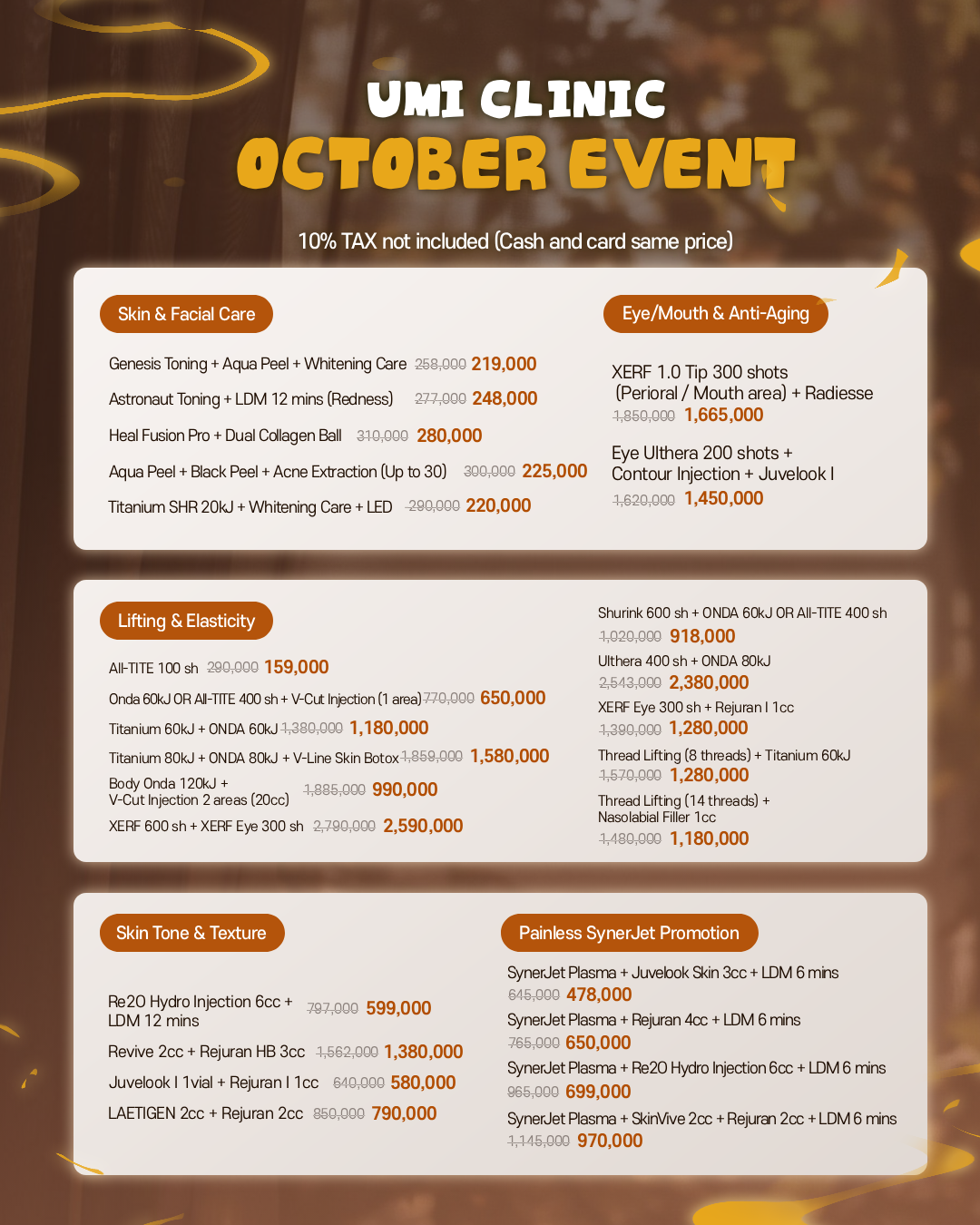
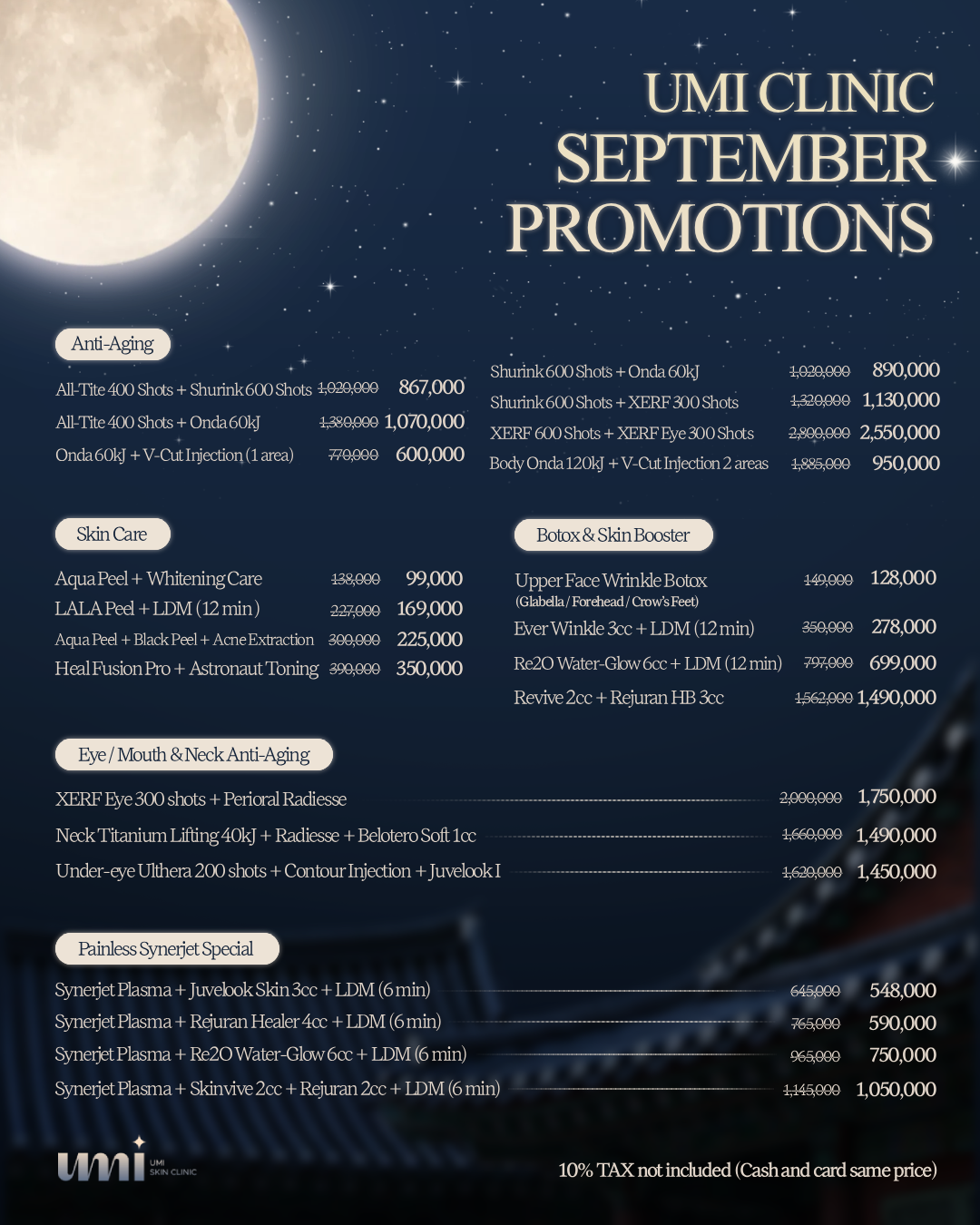
- Same price as locals
Your visit
How Acne peel works at Umi
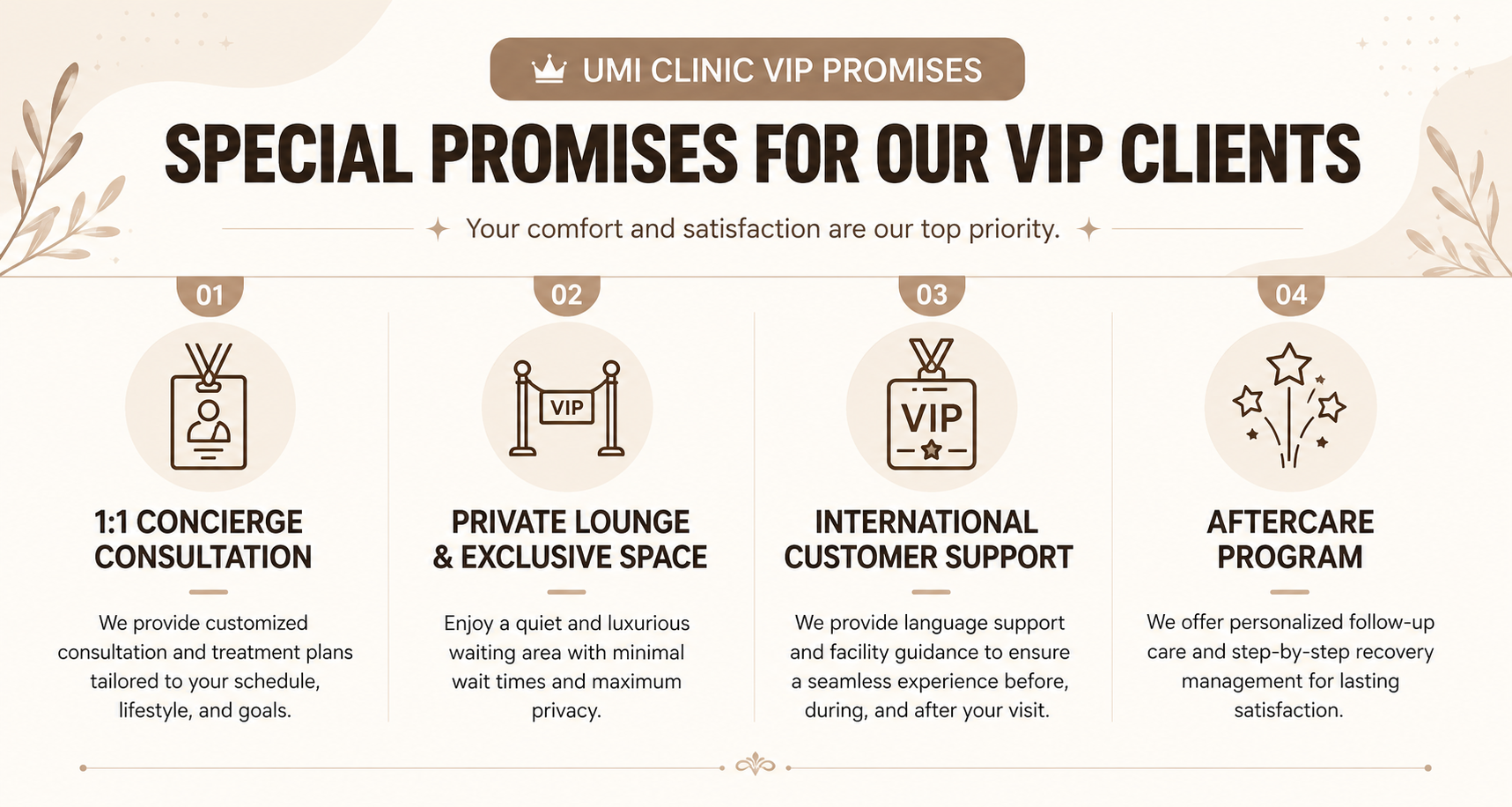
Every visit is doctor-led and explained in English, from the first skin check to aftercare.
- Skin & product review
The doctor checks sensitivity and current actives such as retinoids.
- Cleanse & degrease
Oil is removed so the acid penetrates evenly.
- Peel application
The chosen acid is applied and timed, then neutralised or removed.
- Aftercare
Soothing moisturiser, no scrubs, and SPF 50 daily.
Before & after
How acne peels clear the skin
Acids dissolve oil and dead-cell plugs and speed up renewal, so pores stay clearer and marks fade sooner.
Fine flaking as old cells shed.
Fewer comedones; skin looks brighter.
Fewer breakouts and lighter marks.
Is it right for you?
Who Acne peel suits best
Good fit if you…
- Have comedones and mild to moderate acne
- Have oily or congested skin
- Have brown marks after breakouts
- Want a budget-friendly treatment series
Consider another option if…
- You are allergic to aspirin — avoid salicylic acid
- You are pregnant — some acids are not suitable
- You have a sunburn, open wounds or active cold sores
- You recently used isotretinoin or strong retinoids without advice
Recovery & results
What to expect, step by step
- Same day
Mild tingling and pinkness; avoid make-up for a few hours.
- Days 2–5
Light peeling; do not pick flakes.
- 1–2 weeks
Skin looks clearer and smoother.
- Next peel
Repeat every 2–4 weeks for best results.
FAQ
Acne peel questions
Which peel is best for acne?
Salicylic acid is often first choice because it dissolves oil inside pores. Mandelic acid suits sensitive or darker skin. The doctor selects the strength.
Will I peel a lot?
Superficial acne peels usually cause only light flaking for a few days, so you can continue sightseeing.
Can peels cause breakouts?
Some people notice a brief purge as congestion clears; this usually settles within a week or two.
Can I combine peels with laser?
Yes, but they are usually spaced apart. The doctor plans the order for your skin.
Do foreigners pay more?
No. International patients pay the same price as local patients at Umi Clinic.
Related at Umi Clinic
Explore next
Related acne care
Concerns it helps
Plan your visit
Ask about Acne peel in English
Send a photo and your travel dates on WhatsApp — the team replies with a plan and a same-as-locals price.
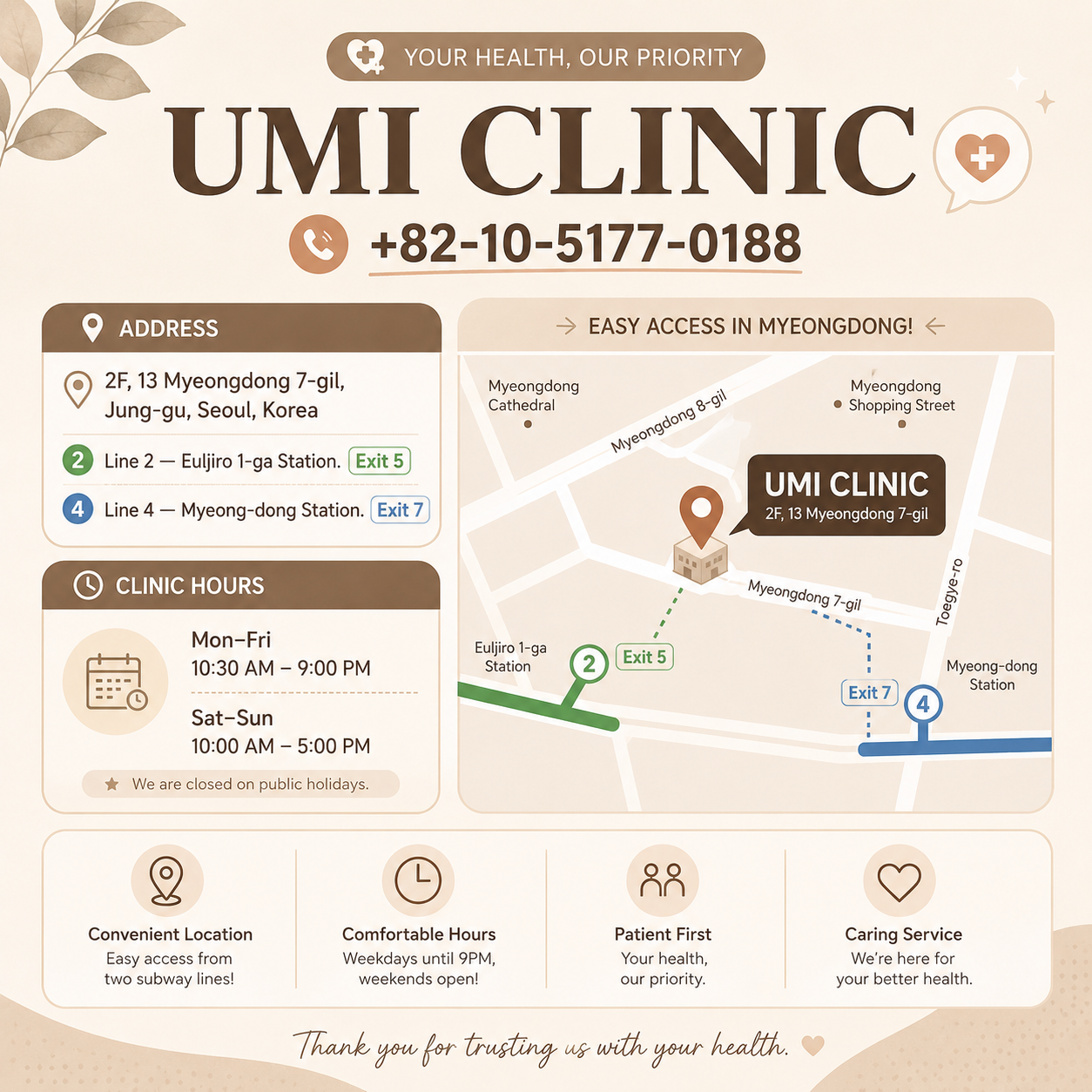
Umi Clinic (우미의원) · 13 Myeongdong 7-gil, Jung-gu, Seoul · Near Myeongdong Station Exit 6 · Directions & hours