Japanese-Friendly Skin Clinics in Korea
Seoul has become increasingly popular among Japanese visitors, and many dermatology clinics now offer Japanese-friendly services, making it easy to receive treatments with clear communication and culturally tailored care.
Below is a structured, SEO-style guide explaining Japanese-friendly skin clinics in Korea (without focusing on specific clinic names).
Why Japanese-Friendly Clinics Are Common in Korea
There has been a strong rise in Japanese medical tourism to Korea.
Key reasons:
• Large number of Japanese patients visiting Seoul for skincare
• Clinics actively provide
Japanese-speaking staff or coordinators
• High demand for
natural, subtle aesthetic results
• Strong reputation of Korean dermatology for
advanced technology + affordability
👉 This has led to many clinics offering full Japanese-language support systems.
What “Japanese-Friendly” Means in Korean Clinics
Japanese-friendly clinics typically provide:
•
Fluent Japanese consultation (not just basic translation)
• Detailed explanation of procedures, downtime, and results
• Transparent pricing discussion in Japanese
• Aftercare instructions and follow-up guidance
👉 Clear communication is especially important for medical safety and trust.
📍 Where to Find Japanese-Friendly Skin Clinics in Seoul
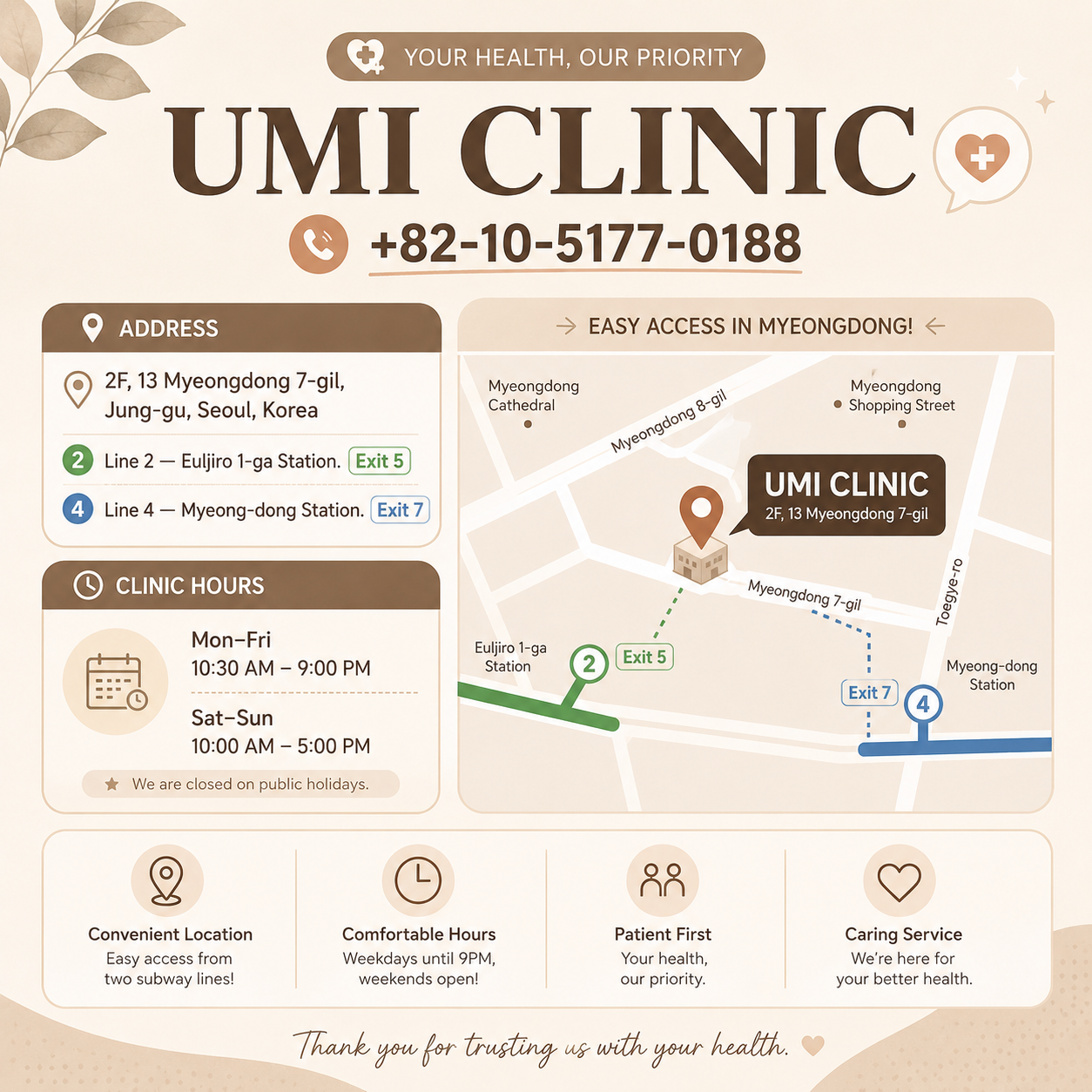
Myeongdong (Best for Tourists)
• Most foreigner-friendly district
• Many clinics offer
Japanese-speaking consultation and booking support
• Easy walk-in or same-day appointments
👉 Best for: short trips and first-time visitors
Gangnam (Advanced & Trend-Focused)
• High concentration of modern dermatology clinics
• Popular for
anti-aging, lifting, and combination treatments
• Japanese-speaking coordinators commonly available
👉 Best for: latest treatments and customized programs
Cheongdam / Apgujeong (Premium Clinics)
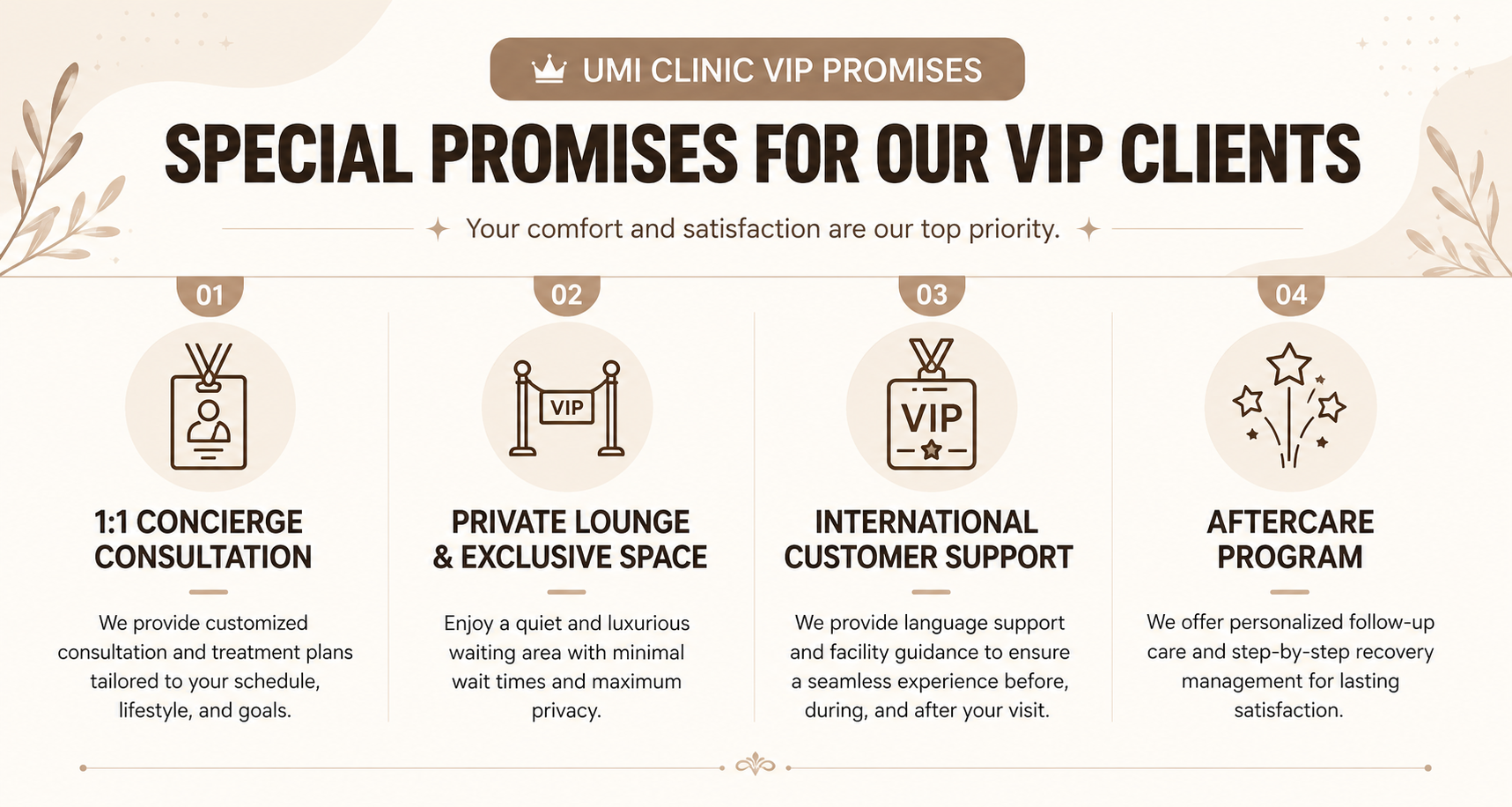
• Luxury, private clinic environment
• Focus on
natural, refined results (preferred by Japanese patients)
• High-end service and personalized care
👉 Best for: VIP-level skincare experience
✨ Treatments Popular Among Japanese Patients
Japanese patients in Korea often prefer natural, subtle improvements.
Common treatments include:
•
Laser toning / Pico laser → brightening & pigmentation
•
Skin boosters (Rejuran, HA, exosomes) → hydration & glow
•
RF / ultrasound lifting → gentle anti-aging
•
Botox & fillers (natural style) → minimal, balanced enhancement
•
Acne & pore treatments → texture improvement
👉 Korean clinics are known for “less is more” aesthetic results, which aligns well with Japanese beauty preferences.
🩺 What to Expect as a Japanese Patient
Typical experience:
• Japanese-language consultation (in-person or online)
• Skin analysis and customized treatment plan
• Treatment session (30–90 minutes)
• Aftercare instructions provided in Japanese
👉 Many clinics also support LINE, KakaoTalk, or online reservations.
💰 Price Range in Korea
Typical costs:
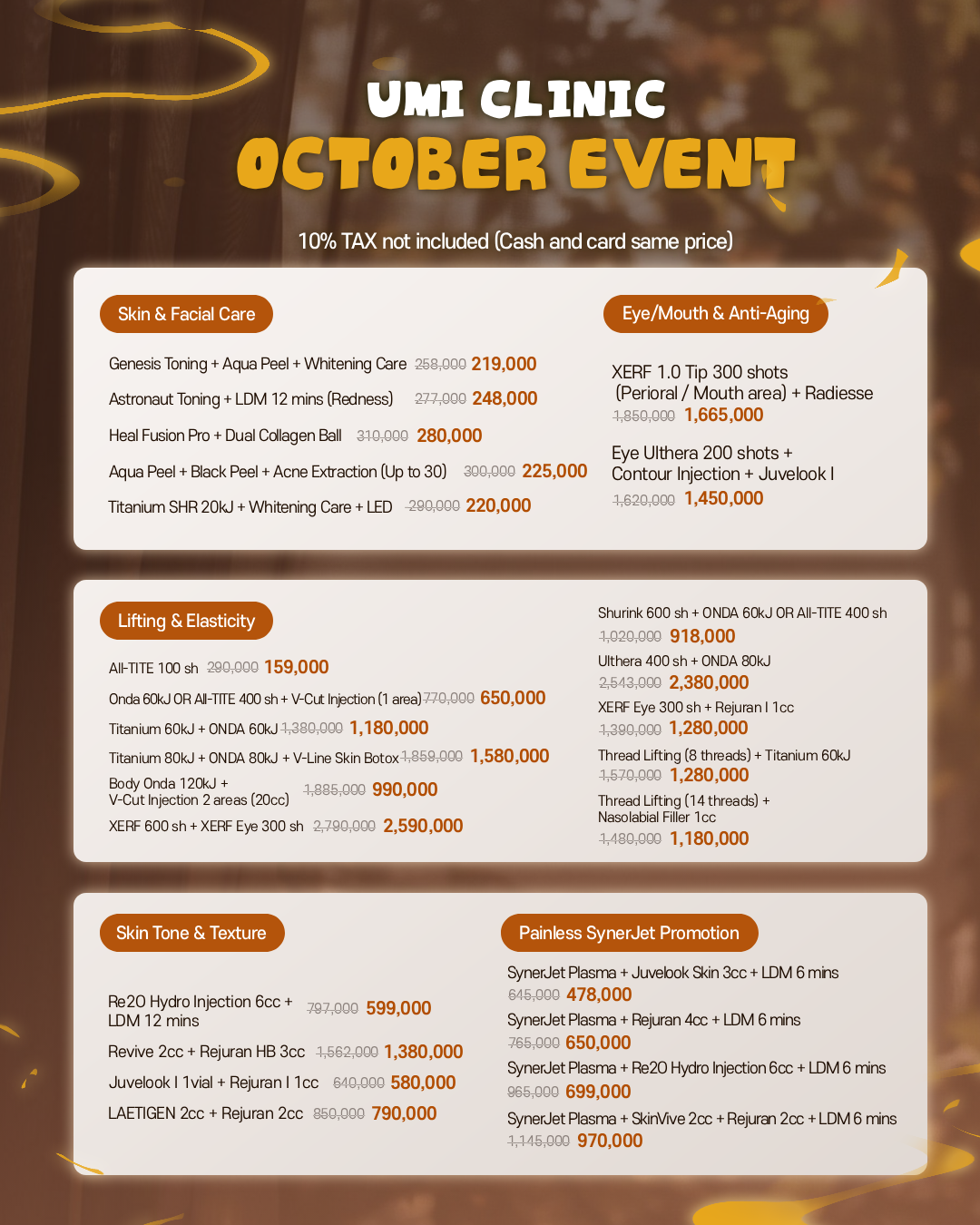
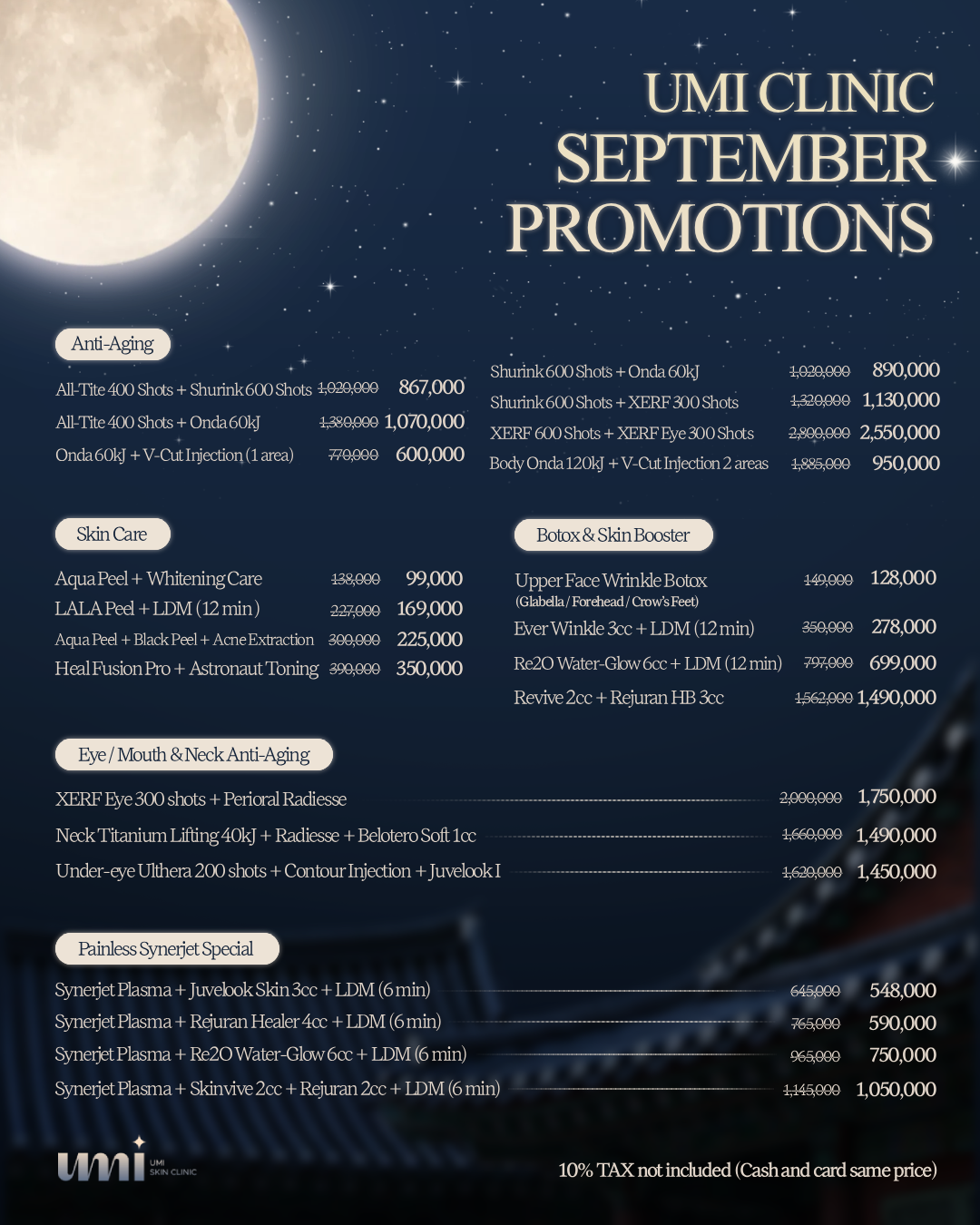
• Laser toning → ₩100,000 – ₩300,000
• Skin boosters → ₩200,000 – ₩600,000
• Botox → ₩80,000 – ₩300,000
• Combination programs → ₩300,000 – ₩1,500,000+
👉 Prices are generally lower than Japan for similar treatments.
🌍 Why Japanese Patients Choose Korea
Main advantages:
• Advanced dermatology technology
• Competitive pricing
• High safety and hygiene standards
• Multilingual support (including Japanese)
• Customized treatment approach
👉 Korea is especially known for natural-looking, non-overdone results.
⚠️ Tips for Choosing a Japanese-Friendly Clinic
• Confirm
native-level Japanese support (not translation apps)
• Ask for detailed explanation of procedures and downtime
• Avoid clinics that push aggressive or unnecessary treatments
• Look for
customized plans instead of fixed packages
• Choose clinics experienced with
international patients
🌟 Final Thoughts
Japanese-friendly skin clinics in Korea follow a clear philosophy:
👉 clear communication + natural results + personalized care
For Japanese-speaking patients, Seoul offers one of the most comfortable environments to experience advanced dermatology—combining language accessibility, high-quality treatments, and subtle, refined aesthetic outcomes.