Korean Facial Treatments Explained for Foreigners
Seoul has become a global destination for facial treatments, offering a wide range of options that go far beyond traditional spa facials. Many international visitors are surprised by how advanced and customizable Korean facial treatments are.
Below is a practical, SEO-friendly guide explaining Korean facial treatments for foreigners, including types, benefits, and what to expect.
What Makes Korean Facial Treatments Different
Korean facials are not just about relaxation—they are medical-grade, results-driven treatments.
Key characteristics:
• Combination of
dermatology + skincare technology
• Focus on
skin health, not just surface beauty
• Customized based on individual skin analysis
• Often combined with lasers, boosters, or devices
👉 Korean facials are closer to clinical skin treatments than traditional spa facials.
✨ Most Popular Korean Facial Treatments
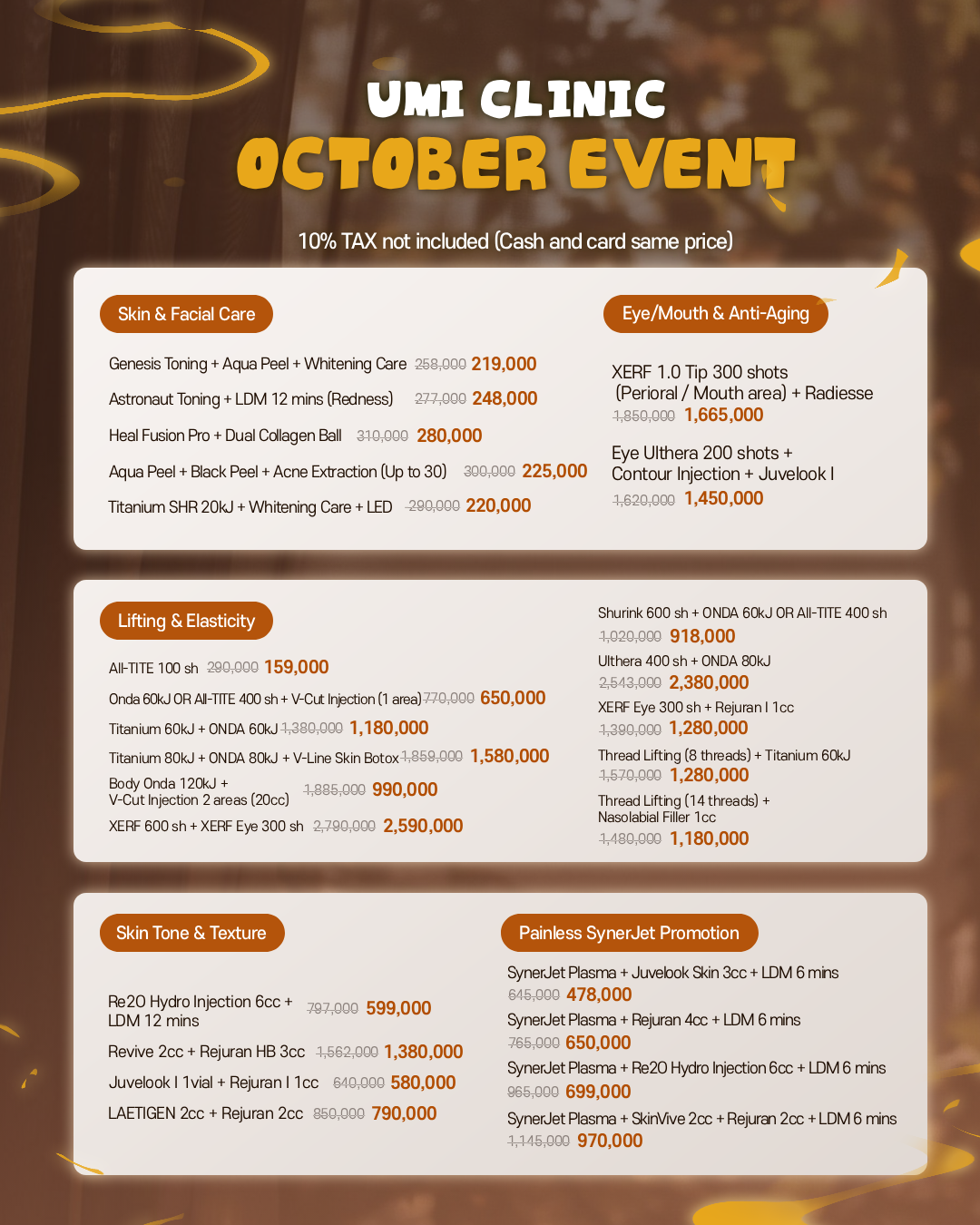
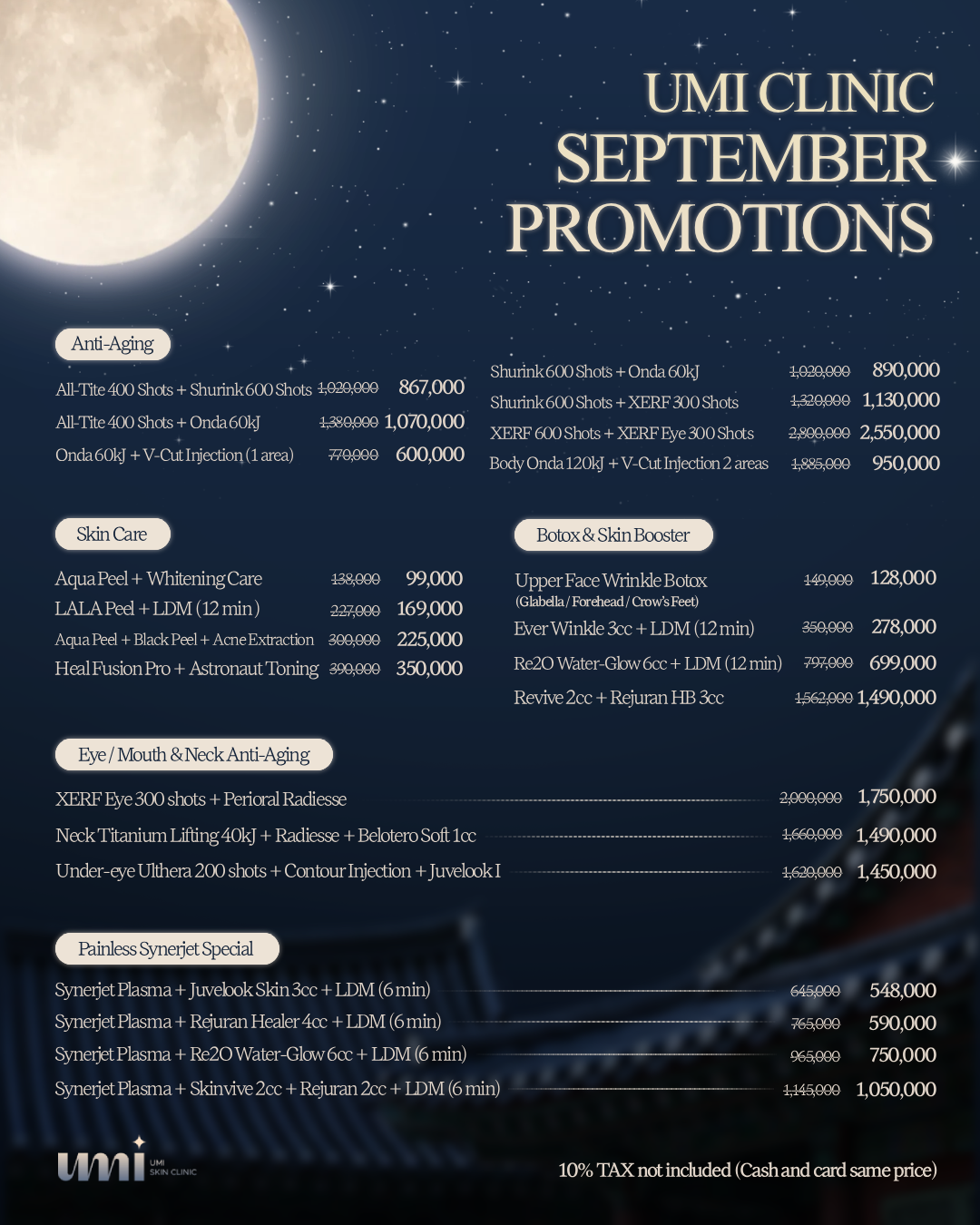
💧 Aqua Peel (Hydradermabrasion Facial)
A basic but highly effective treatment.
What it includes:
• Deep cleansing and exfoliation
• Removal of sebum and blackheads
• Hydration infusion
👉 Best for: first-time visitors, instant glow
🌿 LDM / Ultrasound Facial
A technology-based hydration treatment.
Key effects:
• Improves skin barrier and hydration
• Reduces inflammation and sensitivity
• Enhances product absorption
👉 Best for: sensitive or damaged skin
🧴 LED Therapy Facial
Uses light therapy to improve skin condition.
Benefits:
• Reduces acne and inflammation
• Promotes skin healing
• Brightens overall complexion
👉 Best for: acne-prone or irritated skin
✨ Glass Skin Facial (Combination Facial)
A signature Korean treatment.
Includes:
• Cleansing + peeling + hydration
• Often combined with boosters or ampoules
• Focus on smooth, radiant finish
👉 Best for: “glass skin” glow and texture improvement
🧬 Medical-Grade Facial (Clinic Facial)
A more advanced option performed in dermatology clinics.
May include:
• Extraction + peeling + laser + soothing care
• Skin boosters or regenerative treatments
• Customized multi-step protocols
👉 Best for: serious skin concerns (acne, pigmentation, aging)
💰 Average Cost of Korean Facials
Facial treatments in Korea are generally affordable.
Typical price ranges:
• Basic facials → ₩50,000 – ₩150,000
• Mid-range facials → ₩150,000 – ₩300,000
• Advanced/medical facials → ₩300,000 – ₩600,000+
👉 Korea offers high-value treatments compared to global prices.
🩺 What to Expect During Treatment
A typical Korean facial follows a structured process:
• Skin analysis and consultation
• Cleansing and exfoliation
• Extraction (if needed)
• Device-based treatment (laser, ultrasound, LED)
• Hydration and calming care
👉 Total time: 60–90 minutes depending on treatment.
⏱️ Results & Downtime
Most facials are designed to be low-downtime and travel-friendly.
What to expect:
• Immediate glow and hydration
• Improved skin texture within days
• Minimal redness (usually subsides quickly)
👉 Many treatments allow you to continue your day right after.
🌍 Why Foreigners Choose Korean Facials
Korea offers several unique advantages:
• Affordable pricing compared to Western countries
• Advanced skincare technology and techniques
• Strong focus on
natural, healthy-looking skin
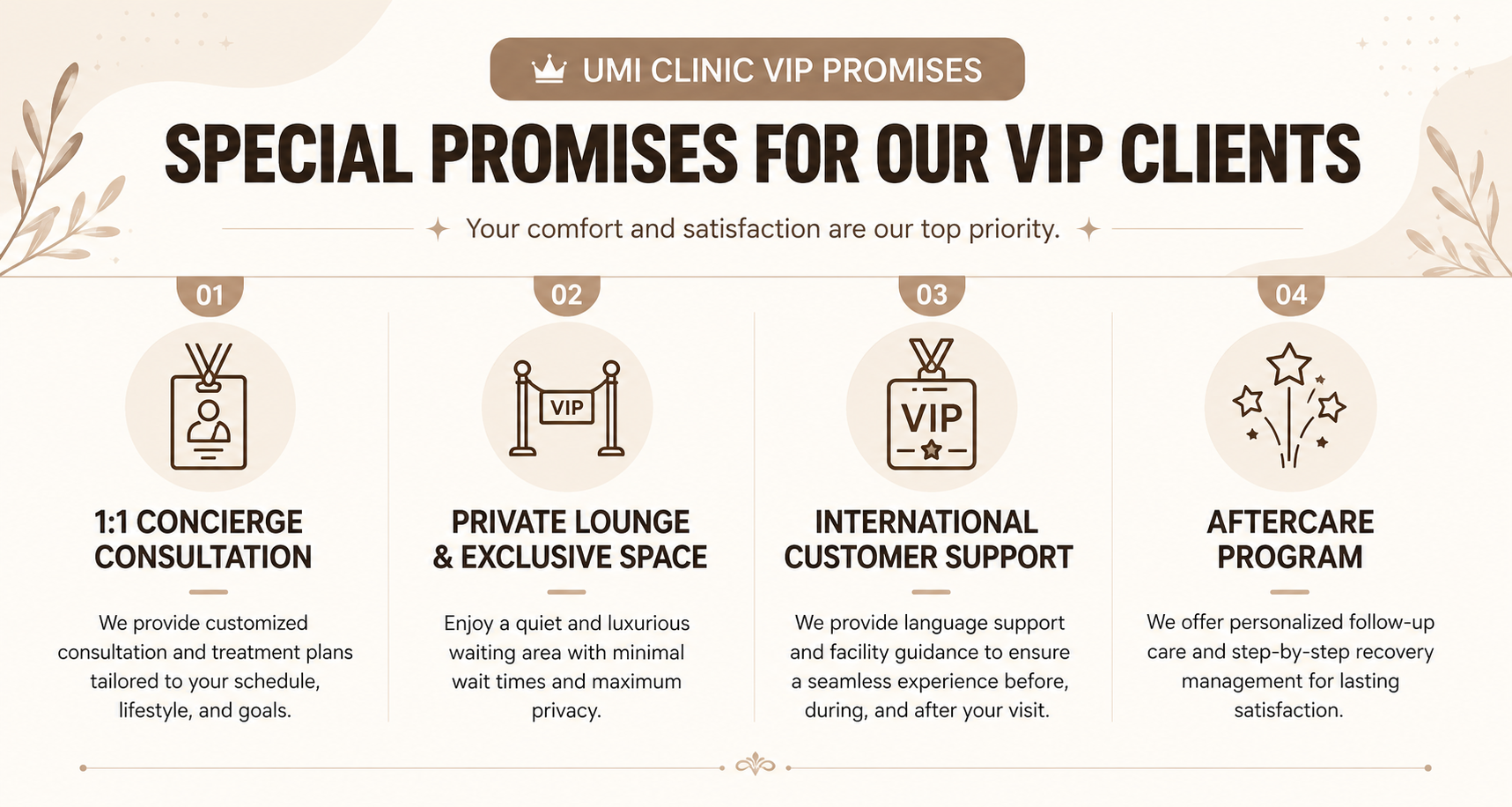
• Easy access with English-speaking clinics
👉 It’s one of the easiest ways to experience K-beauty at a clinical level.
💡 Tips for First-Time Visitors
• Start with a
basic or combination facial
• Avoid aggressive treatments if you’re short on time
• Ask about
downtime before booking
• Combine with laser or booster treatments for better results
• Stay consistent if you want long-term improvement
🌟 Final Thoughts
Korean facial treatments offer more than just relaxation—they deliver:
👉 real skin improvement through technology, customization, and consistency
Whether you’re looking for a quick glow or long-term skin transformation, Korea provides a wide range of options tailored to your needs—making it one of the best places in the world for advanced facial treatments.
If you want, I can recommend which facial is best for your skin type (acne, dry, sensitive, anti-aging, etc.).