Stem cell skin therapy in Korea – Is it worth it?
Stem cell therapy is one of the most advanced regenerative skin treatments in Korea, but many patients ask—is it actually worth it?
Below is a clear, SEO-friendly breakdown to help you decide.
What Is Stem Cell Skin Therapy?
Stem cell therapy is a
regenerative treatment that uses stem cells or their derivatives to improve
skin quality and repair damage.
Key concept:
• Uses
your own cells (fat/blood) or
lab-derived cells
• Stimulates
collagen, healing, and cell renewal
• Works at a deeper level than typical skin boosters
👉 Simple summary:
→
Stem cell therapy = advanced “skin regeneration” treatment
How It Works (Why It’s Different)
Unlike basic treatments, stem cell therapy focuses on
biological regeneration.
What it does:
• Releases
growth factors and signaling molecules (“secretome”)
• Stimulates
fibroblasts → collagen production
• Improves
elasticity, texture, and skin thickness
👉 It doesn’t just improve appearance—it activates your skin to repair itself.
Results: What You Can Expect
Typical improvements:
• Brighter, smoother skin within
1–2 weeks
• Better elasticity and reduced wrinkles over
1–3 months
• Long-term
anti-aging and skin strengthening
Results can last 12–18 months or longer in some cases
Cost in Korea
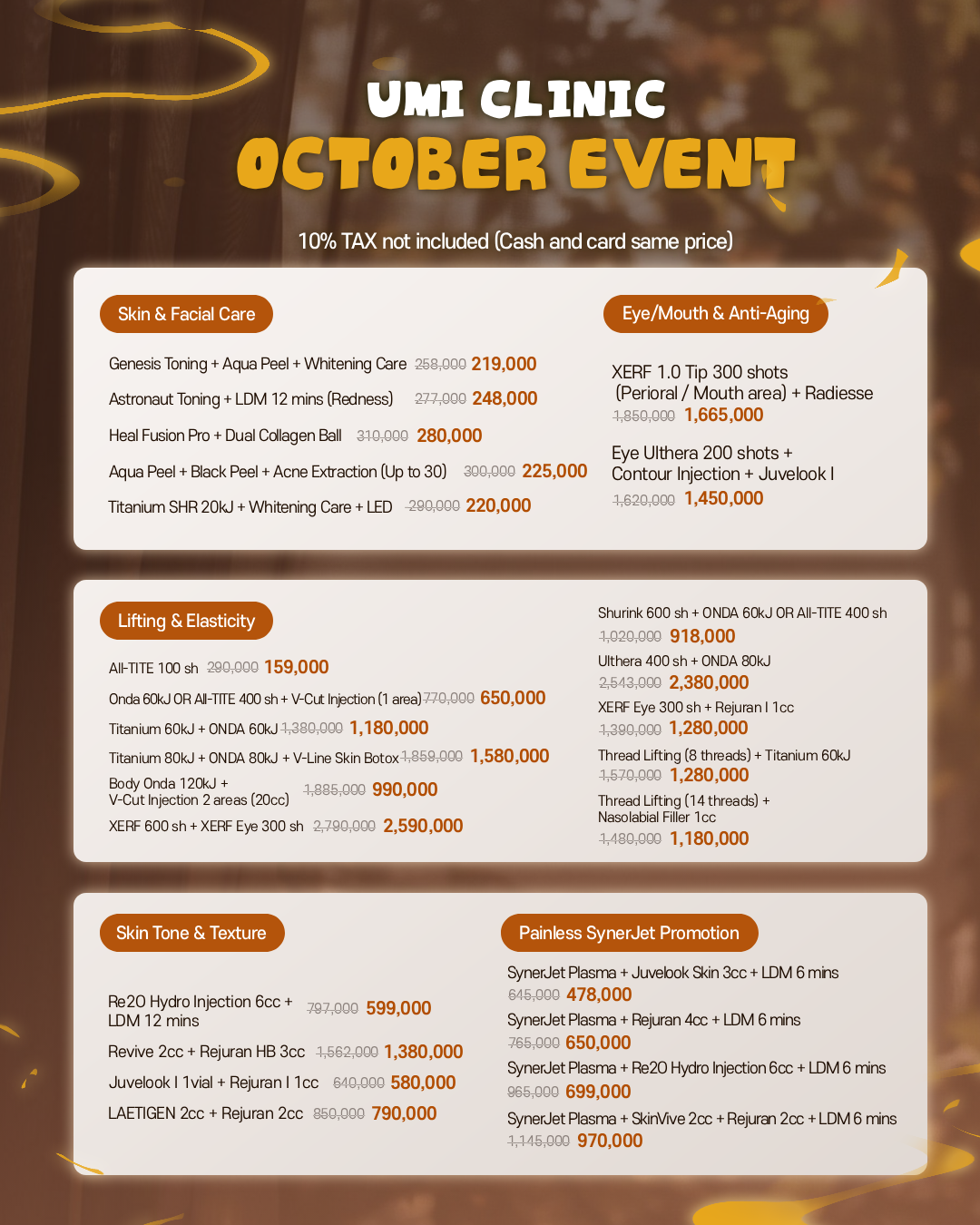
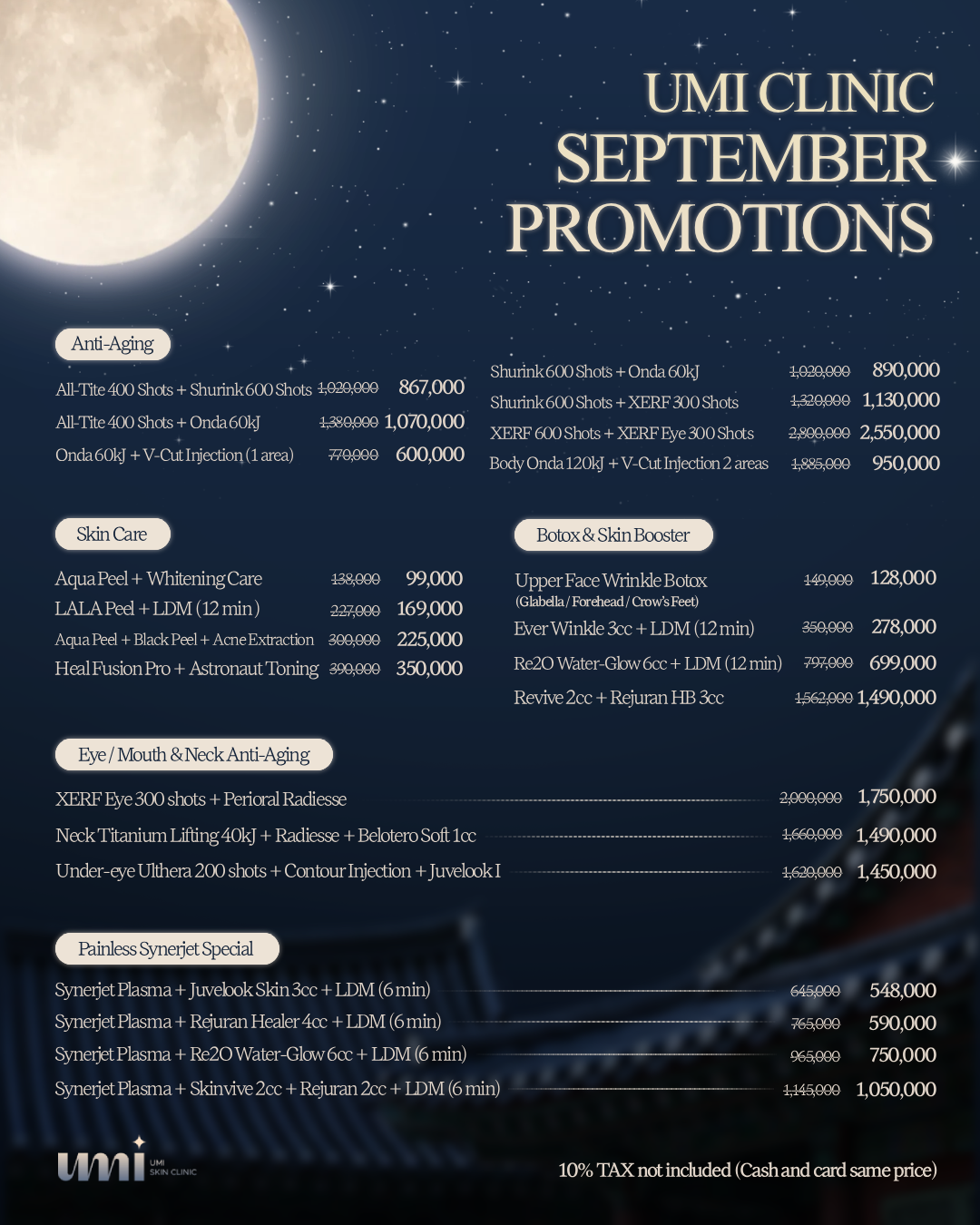
Stem cell therapy is considered a premium treatment.
Typical pricing:
• Basic regenerative treatments → ~$500–$1,500
• Advanced procedures (fat-derived stem cells) → ₩1,200,000 – ₩1,800,000+
More complex procedures (like fat harvesting) cost significantly more.
Is It Safe?
In Korea, stem cell treatments are strictly regulated.
Safety facts:
• Governed by
MFDS and national bio-regulations
• Classified as
high-risk medical treatments (Class III–IV)
• Requires strict clinical oversight and ethical review
Common side effects:
• Mild swelling or bruising
• Temporary discomfort
• Rare risk of infection if improperly performed
👉 Safety is generally high—but clinic quality is critical.
Pros (Why People Choose It)
• Deep
skin regeneration, not just surface improvement
• Long-lasting
anti-aging effects
• Improves multiple concerns at once (wrinkles, texture, elasticity)
• Considered one of the most
advanced treatments in Korea
Cons (Important to Know)
• Expensive compared to other treatments
• Results vary depending on
method and clinic
• Some treatments are still
emerging or not fully standardized
• Not always necessary for mild skin concerns
👉 It’s not a “first-step” treatment for most patients.
Who Is It Worth For?
👉 Worth it if:
• You have
aging, damaged, or thinning skin
• You want
long-term regeneration, not quick fixes
• You’ve already tried
lasers, skin boosters, or fillers
• You’re looking for
high-end anti-aging solutions
👉 Not necessary if:
• You only want
basic glow or hydration
• You’re new to dermatology treatments
• Budget is a concern
Korean Dermatology Insight
In Korea, stem cell therapy is often used as a
“final step” or premium upgrade:
• Basic care → laser / skin boosters
• Advanced care →
stem cell or exosome therapy
👉 It’s positioned as a next-level regenerative treatment, not a routine procedure.
Final Thoughts
So—is stem cell skin therapy in Korea worth it?
• ✅
Yes, if you want
deep, long-term skin regeneration
• ⚠️ But it’s
expensive and not necessary for everyone
The key takeaway:
→ It’s one of the most powerful treatments available—but best suited for patients who want maximum anti-aging results beyond standard treatments.