Technology used in Korean skin clinics
Korean skin clinics are globally recognized for their use of advanced, multi-layer treatment technologies—but what truly sets them apart is not just the devices, but how they are combined and customized for each patient.
Below is a clear, SEO-friendly guide to the technology used in Korean skin clinics.
Technology Used in Korean Skin Clinics (Core Concept)
Korean dermatology uses a
layer-based technology system targeting different depths of the skin.
👉 Simple summary:
→
Surface + dermis + deep layer = complete skin treatment
Laser Technology (Core Foundation)
Lasers are the most widely used devices in Korea.
Common types:
•
Pico laser → fast pigment removal
•
Q-switched laser (laser toning) → gradual brightening
•
Fraxel / CO2 laser → resurfacing and acne scars
•
Nd:YAG / Genesis → pores, redness, texture
👉 What it targets:
• Pigmentation, tone, and surface texture
RF (Radiofrequency) Technology (Collagen & Tightening)
RF devices heat the dermis to stimulate collagen production.
Common uses:
•
Skin tightening
•
Pore reduction
•
Wrinkle improvement
Popular applications:
• RF lifting (non-invasive tightening)
• RF microneedling (collagen + texture improvement)
👉 What it targets:
• Elasticity and skin firmness
Ultrasound (HIFU) Technology (Deep Lifting)
HIFU devices use focused ultrasound to reach deeper layers.
Key function:
• Targets the SMAS layer (deep structural layer)
👉 What it does:
• Lifts and contours the face
• Provides non-surgical facelift effect
Microneedling Technology (Skin Regeneration)
Microneedling creates controlled micro-injuries to stimulate repair.
Types:
• Standard microneedling
• RF microneedling (combined with radiofrequency)
👉 What it targets:
• Acne scars, pores, and skin texture
Light & Energy-Based Devices (Gentle Treatments)
These are used for sensitive or maintenance treatments.
Examples:
•
IPL / BBL → redness + pigmentation
•
LED therapy → calming and healing
•
LDM ultrasound → inflammation reduction
👉 What it targets:
• Redness, sensitivity, and skin recovery
Injection-Based Technologies (Skin Boosters & Fillers)
Although not machines, these are key components.
Common treatments:
•
Hyaluronic acid (HA) → hydration
•
Rejuran (PN / PDRN) → skin repair
•
Exosome therapy → regeneration
•
Botox / fillers → wrinkles and volume
👉 What it targets:
• Skin quality, structure, and aging
Skin Analysis & Diagnostic Technology
Top clinics use advanced imaging systems.
Functions:
• Analyze
pigmentation depth
• Measure
pores, oil, wrinkles
• Track treatment progress
👉 Why it matters:
• Enables customized treatment planning
Combination Technology (Korean Signature Approach)
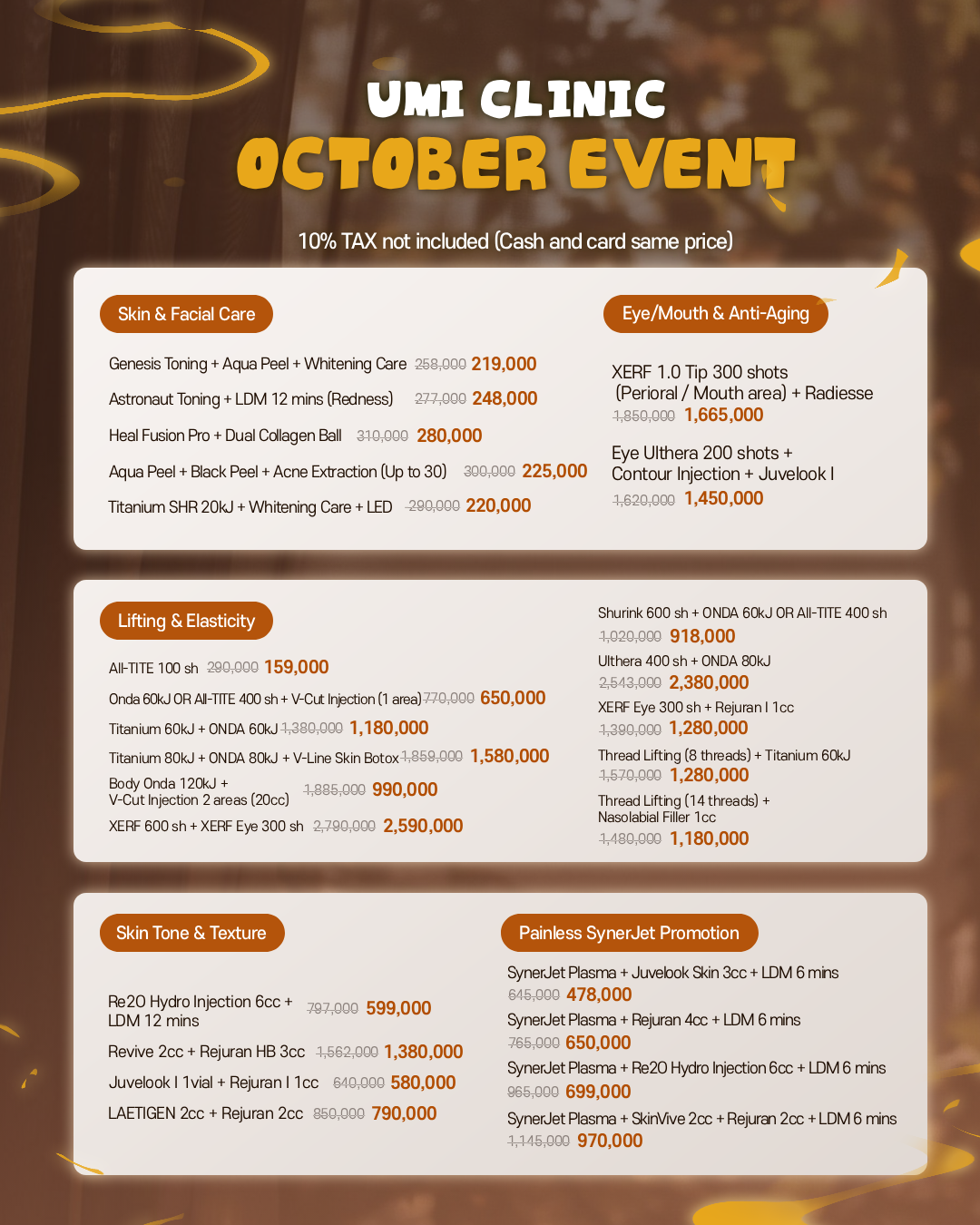
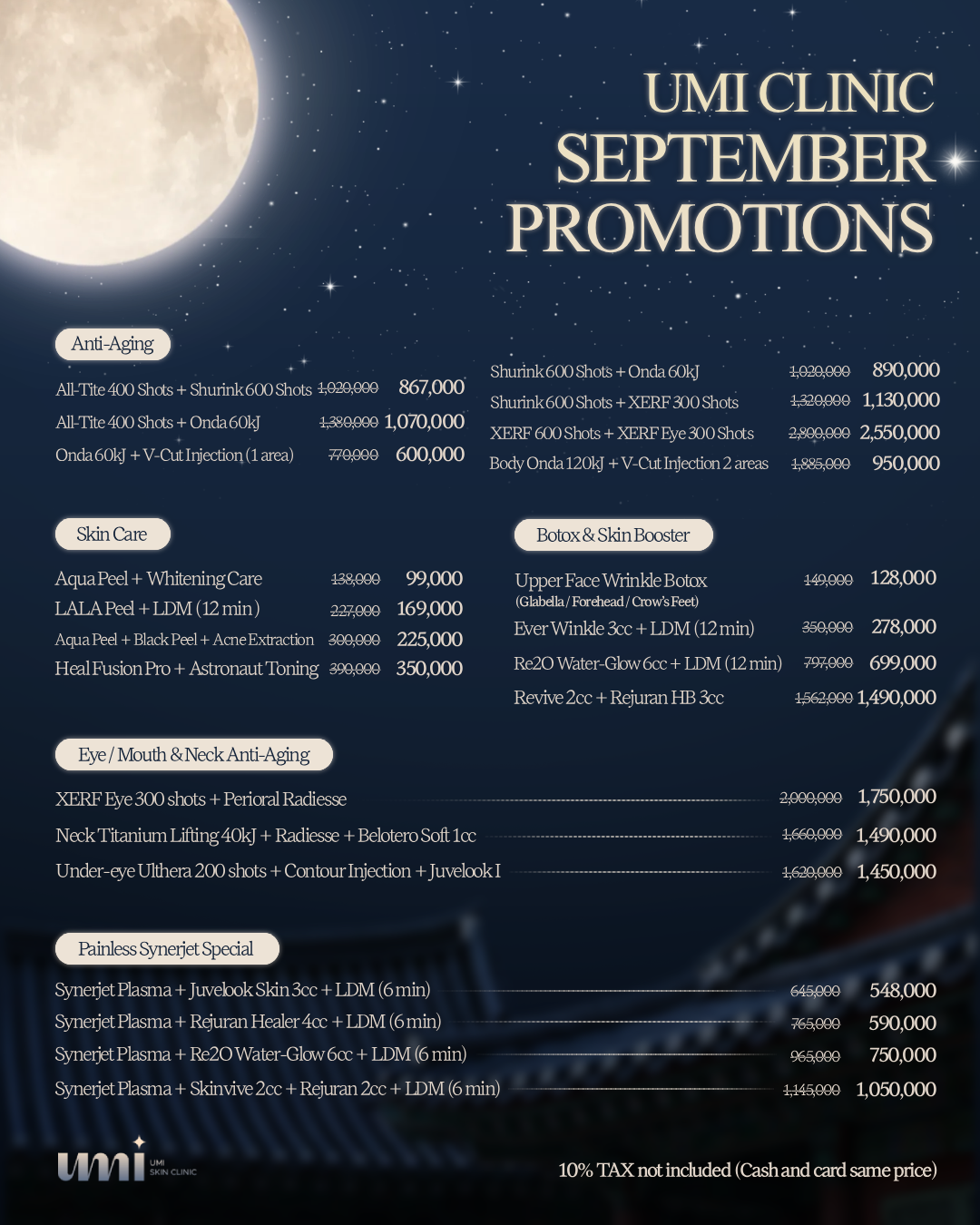
Korean clinics rarely use just one device.
Typical combination:
• Laser → improve tone
• RF → tighten skin
• HIFU → lift structure
• Boosters → enhance skin quality
👉 Why it works:
• Treats
multiple skin layers simultaneously
• Produces more
natural and long-lasting results
Why Korean Technology Stands Out
It’s not just the machines—it’s the system.
Key advantages:
• Rapid adoption of
new technologies
• High level of
device customization (energy, depth)
• Strong focus on
combination treatments
👉 Key insight:
→
Technique + combination > single device
Final Thoughts
Technology used in Korean skin clinics is built around a
multi-layer, combination-based approach.
•
Laser = tone & pigmentation
•
RF = tightening & collagen
•
Ultrasound = lifting
•
Boosters = skin quality
👉 The key takeaway:
Korean dermatology stands out not because of one “best machine,” but because of
how multiple technologies are combined to create safer, more natural, and more effective results.