Glass skin treatment Korea – Full guide
“Glass skin” is one of the most iconic Korean dermatology trends, referring to skin that looks clear, smooth, poreless, and highly luminous—like glass.
Many people think it’s just skincare—but in Korea, glass skin is usually achieved through professional treatments + maintenance.
Below is a complete, SEO-friendly guide.
What Is Glass Skin Treatment in Korea?
Glass skin treatment is not a single procedure—it’s a
custom combination of dermatology treatments.
Key concept:
• Focus on
hydration, brightness, texture, and skin barrier
• Combines multiple treatments for layered results
• Designed to create
smooth, radiant, poreless-looking skin
👉 Simple summary:
→
Glass skin = healthy, hydrated, flawless-looking skin
What Defines “Glass Skin”?
Typical characteristics:
•
Ultra-smooth texture (minimal pores)
• Deep
hydration and plumpness
• Even
skin tone without pigmentation
• Natural
glow and light reflection
👉 It’s about skin quality, not makeup or contouring.
Core Treatments Used in Korea
Korean clinics combine several key procedures.
1. Skin Boosters (Foundation Treatment)
•
Rejuran, Juvelook, HA boosters
• Deep hydration +
skin regeneration
• Creates the signature
plump glow
👉 Most important step for glass skin
2. Laser Toning (Brightness & Clarity)
• Targets
pigmentation and uneven tone
• Improves overall
skin clarity
• Usually done in
multiple sessions
👉 Essential for “clear skin” look
3. Aqua Peel / HydraFacial (Prep Step)
• Removes
dead skin and impurities
• Deep cleansing + hydration
• Improves absorption of other treatments
👉 Gives instant smoothness
4. RF Microneedling (Texture & Pores)
• Tightens pores and improves
skin texture
• Stimulates
collagen production
• Creates more refined skin surface
5. Skin Botox (Optional)
• Reduces
pores and oil production
• Smooths skin surface
• Enhances “glass reflection effect”
How Korean Clinics Combine Treatments
Glass skin is achieved through layered treatment plans, not one session.
Example protocol:
• Week 1 → Aqua peel + laser toning
• Week 3 → Skin booster (Rejuran)
• Repeat over
3–6 months
👉 Combination therapy is key
How Many Sessions Are Needed?
Typical plan:
•
3–4 sessions (basic improvement)
•
5–10 sessions (full glass skin effect)
• Maintenance every
2–3 months
Results build gradually.
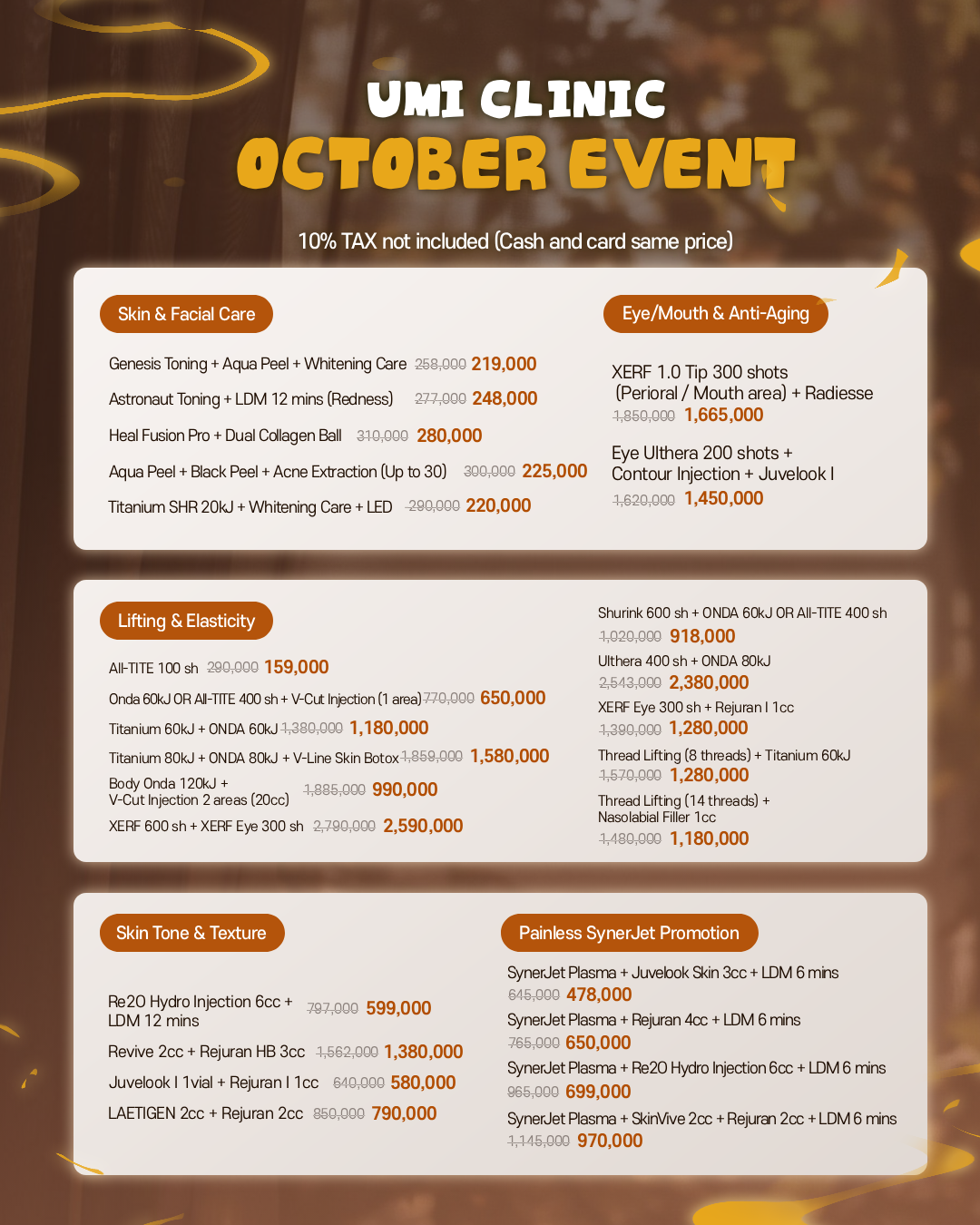
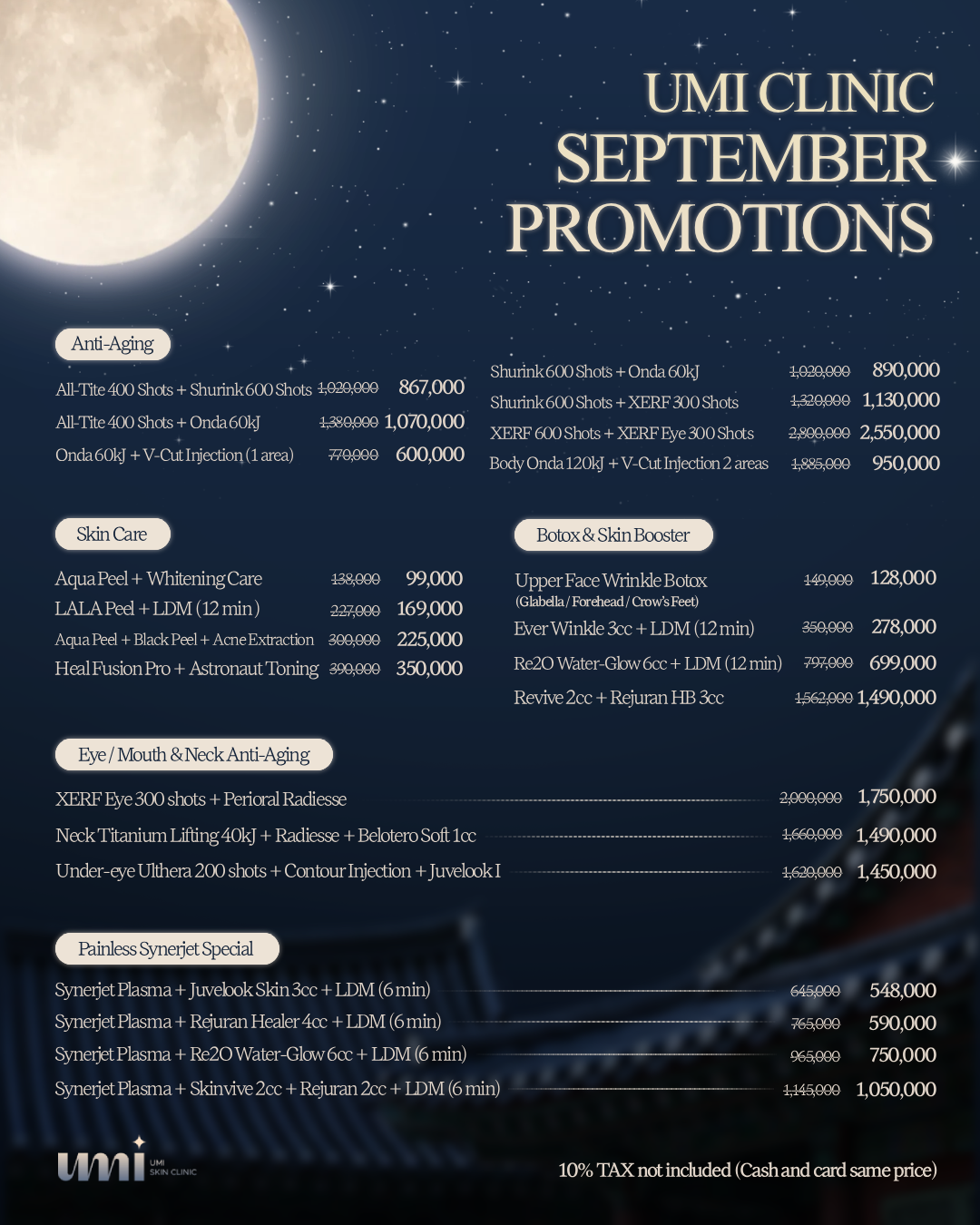
Cost of Glass Skin Treatment in Korea (2026)
Typical price range:
• Skin boosters → ₩250,000 – ₩900,000
• Laser toning → ₩80,000 – ₩180,000
• Aqua peel → ₩80,000 – ₩200,000
• Full package → ₩2,000,000 – ₩7,000,000+
👉 Packages are more cost-effective.
Results: What to Expect
Timeline:
• Immediate glow after
facials / peels
• Visible improvement after
2–4 weeks
• Best results after
2–3 months
👉 Results are natural and cumulative
Why Glass Skin Treatment Is So Popular
Korean dermatology focuses on skin quality over dramatic change.
Reasons:
• Emphasis on
natural beauty
• Non-surgical, minimal downtime
• Works for all
skin types
• Long-term
skin health approach
Who Is It Best For?
👉 Ideal if you want:
•
Glowing, hydrated skin
• Smaller pores and smoother texture
• Even tone without heavy makeup
👉 Not ideal if:
• You want
instant dramatic lifting or contouring
• You expect one-session results
Final Thoughts
Glass skin treatment in Korea is not a single procedure—it’s a
custom combination of hydration, laser, and regenerative treatments designed to improve overall skin quality.
• Focus =
clear, smooth, glowing skin
• Requires
multiple sessions and maintenance
• Best results come from
combination therapy
👉 If your goal is healthy, radiant, “glass-like” skin, this is one of the most effective and widely used approaches in Korean dermatology.